Aquarium Background Ideas: DIY and Commercial Options That Transform Your Tank
This article may contain affiliate links. If you make a purchase through these links, we may earn a small commission at no extra cost to you. This helps us keep creating free content.
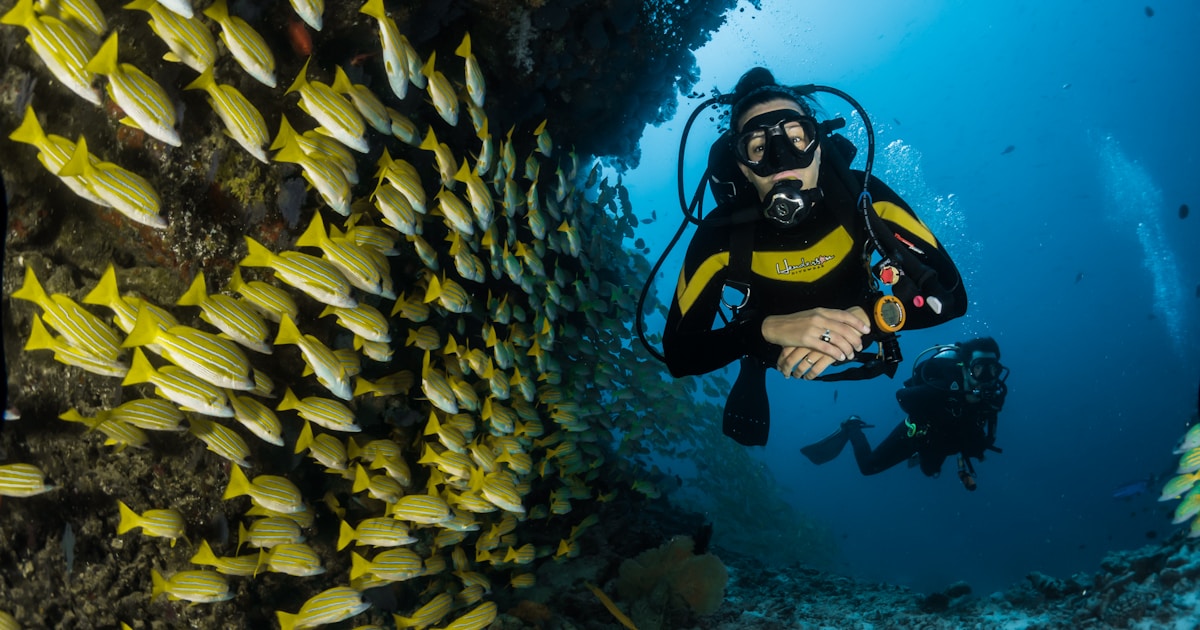
You spend hours perfecting your hardscape, dialing in plant placement, and balancing your water chemistry. Then you glance at the back of your tank and see a tangle of filter hoses against a beige wall. The background of your aquarium is the single biggest visual element most aquascapers overlook, and fixing it is one of the fastest ways to make your entire setup look dramatically more professional. Here is every major option from the simplest DIY methods to premium commercial solutions.
Why Your Aquarium Background Matters More Than You Think
A background does three critical things for your tank. First, it hides equipment, heaters, filter intakes, airline tubing, and cords all disappear when there is a solid visual plane behind them. Second, it creates perceived depth. A dark background makes a 12-inch-deep tank feel like it extends much further, which is especially powerful in smaller setups. Third, it establishes mood. A black background feels dramatic and modern, a blue gradient feels oceanic and calm, and a natural rock texture feels wild and organic.
DIY Background Options
Painted Backgrounds
Painting the outside rear glass is the most popular DIY method and for good reason. It costs almost nothing, looks clean, and lasts the lifetime of the tank. The trick is painting the exterior of the glass so the paint never contacts your water.

Black is the most popular color by far. It vanishes visually, letting your hardscape and plants take center stage. Dark navy blue is a close second and works beautifully with lighter-colored substrates and driftwood layouts. Some aquascapers use a very dark forest green for planted tanks, which creates an almost jungle-like continuity between the background and the plant mass.
Use a foam roller rather than a brush for an even coat. Two to three thin coats of acrylic latex paint applied to clean, dry glass gives you a perfectly smooth result. If you ever want to remove it, a razor blade scrapes acrylic paint off glass in minutes.
Vinyl and Window Film Backgrounds
Static-cling window film is the second easiest DIY option. You can find frosted, black, or tinted films at any hardware store. Cut to size, spray the glass with soapy water, apply the film, and squeegee out bubbles. The result is a smooth matte or semi-gloss finish that peels off cleanly whenever you want a change.

The advantage over paint is reversibility. If you are renting or like to change your setup seasonally, window film lets you switch backgrounds in minutes. The downside is that cheap films can develop bubbles or peel at the edges over time, especially in humid fish rooms.
Foam and Concrete 3D Backgrounds
This is where things get exciting for the hands-on aquascaper. Building a custom 3D background from foam and concrete lets you create a one-of-a-kind rock wall, tree root system, or cave structure that fits inside your tank and becomes part of the underwater landscape.
The basic process involves carving expanded polystyrene foam into your desired shape, coating it with aquarium-safe concrete or epoxy, and then sealing it so it does not leach anything harmful into your water. Many builders use Drylok waterproofing paint as their final sealant since it is non-toxic once cured and comes in various earth tones.
The biggest consideration with internal 3D backgrounds is volume displacement. A thick background can eat up several gallons of swimming space. If you are building one for a smaller tank, account for the lost water volume when stocking fish and calculating your filtration needs.

Posterboard and Printed Backgrounds
You can print any high-resolution image on poster paper and tape it to the back of your tank. Nature photographs, gradient designs, or even abstract patterns all work. This method is essentially free if you have access to a printer and gives you unlimited creative options.
The catch is durability. Paper backgrounds wrinkle with humidity, fade in direct light, and look obviously flat compared to painted or 3D options. They work well for temporary setups, photography sessions, or budget builds where you want a specific look without permanent commitment.
Commercial Background Options
Printed Film Backgrounds
The classic pet store background, a rolled sheet of printed film showing rocks, plants, or coral on one side and a different scene on the other. These have improved dramatically in quality over the past decade. Modern versions use high-resolution printing on thick vinyl with UV-resistant inks that resist fading for years.
Installation is straightforward. Most aquascapers apply them with a thin layer of mineral oil or glycerin between the film and the glass, which eliminates air pockets and creates a seamless look. The oil acts as an optical coupler that makes the image appear to be part of the glass itself rather than sitting behind it.

Molded 3D Backgrounds
Companies like Universal Rocks, Aqua Decor, and Back to Nature produce pre-molded 3D backgrounds made from aquarium-safe resins and fiberglass. These are the gold standard for realistic rock, slate, and root textures without the time investment of a DIY build.
Premium 3D backgrounds are custom-cut to fit your exact tank dimensions and attach to the rear glass with aquarium-safe silicone. They add incredible depth and texture, and many aquascapers build their entire hardscape around the background as a starting point. Mosses, Anubias, and Bucephalandra can be attached directly to the textured surface for a fully overgrown look.
The trade-off is cost. Quality 3D backgrounds for a standard 55-gallon tank can run between 150 and 400 dollars depending on the manufacturer and design complexity. For high-end aquascapes and display tanks, the investment pays for itself in visual impact.
LED Lightsheet Backgrounds
A newer option gaining popularity in modern and minimalist setups. LED lightsheet backgrounds are thin illuminated panels that attach behind your tank and produce an even glow in customizable colors. Blue, white, and color-changing versions are all available.
These work beautifully for jellyfish tanks, nano reef setups, and contemporary planted aquariums where you want the background itself to contribute ambient light. They are not ideal for nature-style aquascapes aiming for a naturalistic look, but for modern fishkeeping spaces they add a high-end feel that no other background type can match.
Choosing the Right Background for Your Setup
The best background depends entirely on your goals. For competition-style planted aquascapes, a simple black painted background is almost universally preferred because it creates maximum contrast and depth without distracting from the layout. For biotope tanks recreating a specific environment, a 3D background that mimics the natural habitat, riverbank clay, lake rock formations, or mangrove roots, adds authenticity that flat backgrounds cannot achieve.
For community tanks in living spaces, consider the room's decor. A glossy blue background might clash with warm earth-toned furniture, while a matte black or natural stone texture integrates seamlessly into almost any interior. The tank is a piece of furniture as much as it is an ecosystem, and the background should complement both roles.
Installation Tips That Save You Headaches
Regardless of which background you choose, a few universal principles apply. Clean the glass thoroughly before installation, any dust, water spots, or fingerprints will be trapped and visible forever. Work in good lighting so you can see imperfections before they become permanent. And if you are applying any adhesive or silicone, do it before filling the tank. Trying to apply a background to wet glass while fish swim around inside is a recipe for frustration.
For external backgrounds like paint or film, make sure the wall behind the tank is also dark or neutral. A white wall behind a thin film background can show through and wash out the effect, especially when bright tank lights are on. A simple fix is to paint the section of wall directly behind the tank to match your chosen background color.
Aquarium backgrounds are one of those rare upgrades where the cost is low, the difficulty is manageable, and the visual payoff is enormous. Pick an approach that matches your aesthetic, invest a weekend afternoon in the installation, and you will wonder why you waited so long to do it.
Published by the BJL Aquascapes editorial team. Published October 12, 2026.
Editorial responsibility: see Imprint.
Spotted an error or have something to add? corrections@bjlaquascapes.com
Dive Into Aquascaping
Weekly tips on planted tanks, fish care, and aquascape design — straight to your inbox.
🎁 Free bonus: Beginner's Aquascaping Starter Guide (PDF)
Explore more
All articles on BJL Aquascapes →