The Complete Cherry Shrimp Breeding Guide for Beginners
This article may contain affiliate links. If you make a purchase through these links, we may earn a small commission at no extra cost to you. This helps us keep creating free content.
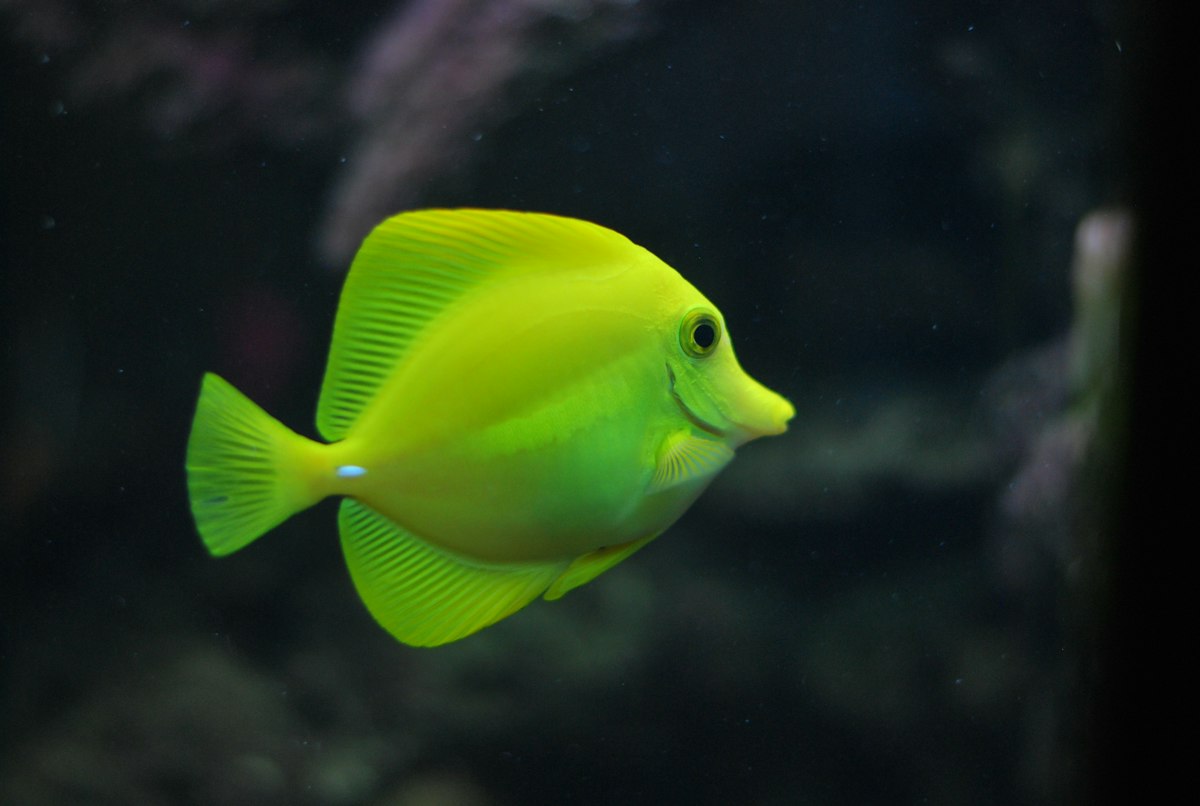
Cherry shrimp are the gateway drug of the aquarium hobby. You start with ten in a planted tank, and six months later you are running three dedicated shrimp tanks, obsessing over color grades, and explaining to confused friends why you spent Saturday afternoon photographing invertebrates with a macro lens. They are that addictive, and that rewarding.
Neocaridina davidi, commonly sold as cherry shrimp, are the hardiest ornamental shrimp in the hobby. They tolerate a wide parameter range, breed prolifically in captivity, and come in a rainbow of selectively bred color morphs. If you can keep a basic aquarium alive, you can breed cherry shrimp.
Why Cherry Shrimp Are Perfect for Beginners
Unlike their Caridina cousins (Crystal Reds, Taiwan Bees, and similar) that demand soft, acidic water with near-zero tolerance for parameter swings, Neocaridina thrive in standard tap water conditions. They handle pH from 6.5 to 8.0, temperatures from 65 to 80 degrees Fahrenheit, and TDS from 150 to 350. That flexibility means most hobbyists can breed them without purchasing RO water systems or specialized remineralizers.
Tank Setup for a Breeding Colony
Fluval Plant & Shrimp Stratum 8.8 lb
Volcanic Mt. Aso substrate, naturally lowers pH for shrimp + carpeting plants, the easiest ADA-alternative substrate.
As an Amazon Associate we earn from qualifying purchases.
Tank Size
A 10-gallon tank is the sweet spot for a starter breeding colony. It provides enough water volume to maintain stable parameters while being small enough to keep the shrimp population dense enough for consistent mating. You can start with a 5-gallon, but the smaller volume makes parameter stability trickier and limits your colony growth before you need to cull or rehome.
Filtration
Sponge filters are the undisputed champion for shrimp tanks. They provide gentle flow that does not suck up baby shrimp, biological filtration through the sponge media, and a grazing surface where biofilm accumulates, which shrimplets feed on constantly. Run a dual-sponge filter rated for your tank size. The air pump should produce a gentle stream of bubbles, not a raging current.
Substrate
Inert substrates work best for Neocaridina. Fine gravel, pool filter sand, or specialized shrimp substrates like Brightwell Rio Escuro give you a dark background that makes red shrimp pop visually. Avoid aquasoils designed for Caridina shrimp (like Amazonia) as these buffer pH downward and deplete over time, unnecessary for Neocaridina that prefer neutral to slightly alkaline water.
Plants and Hardscape
Dense planting is not optional for a breeding colony, it is essential. Plants provide:

- Hiding spots for molting shrimp (extremely vulnerable to predation while their new shell hardens)
- Biofilm surfaces where shrimplets graze their first meals
- Natural filtration that absorbs ammonia and nitrates
- A sense of security that encourages breeding behavior
Java moss is the single best plant for a shrimp breeding tank. Its dense, tangled structure creates a maze of hiding spots for babies and traps food particles that shrimplets graze on. Attach clumps to driftwood, rocks, or let it form a carpet on the substrate. Combine it with Anubias, Bucephalandra, and floating plants like Salvinia or Frogbit for a multi-layered habitat.
Water Parameters for Breeding
While Neocaridina tolerate a wide range, breeding colonies produce the best results within these parameters:
| Parameter | Ideal Range | Notes |
|---|---|---|
| Temperature | 72–76°F (22–24°C) | Higher temps increase metabolism and breeding rate but shorten lifespan |
| pH | 7.0–7.5 | Stable pH matters more than exact number |
| GH | 6–8 dGH | Calcium and magnesium for shell formation |
| KH | 3–5 dKH | Buffers pH against crashes |
| TDS | 200–300 ppm | Measure weekly, rising TDS indicates mineral buildup |
| Ammonia / Nitrite | 0 ppm | Any detectable level is dangerous |
| Nitrate | < 20 ppm | Keep low with plants and water changes |
Feeding Your Colony
Cherry shrimp are opportunistic omnivores that eat algae, biofilm, decaying plant matter, and supplemental foods. In a well-planted, mature tank with some algae growth, a colony of 20 to 30 shrimp can survive without supplemental feeding. But for optimal breeding, offer additional food two to three times per week.
Best Foods for Breeding Shrimp
- Blanched vegetables: Zucchini, spinach, and cucumber are colony favorites. Blanch for 30 seconds, cool, and drop in the tank. Remove uneaten portions after 6 hours to prevent water quality issues.
- Specialized shrimp pellets: Shrimp King Complete, GlasGarten Shrimp Dinner, or Hikari Shrimp Cuisine provide balanced nutrition formulated for ornamental shrimp. One small pellet per 10 shrimp.
- Dried mulberry leaves or Indian almond leaves: These leach tannins that have mild antifungal properties and develop biofilm that shrimplets graze on for weeks. Drop one leaf per 10 gallons and leave it until it fully decomposes.
- Powdered baby shrimp food: Products like BorneoWild Bebi or Glasgarten Bacter AE promote biofilm growth throughout the tank. Essential when you have lots of shrimplets competing for food on surfaces.
The Breeding Process
Cherry shrimp breeding is refreshingly hands-off. If your water parameters are stable and the colony is healthy, breeding happens automatically. Here is the lifecycle:
- Molting: Female shrimp release pheromones after molting that trigger a "mating frenzy." Males swim frantically through the tank searching for the receptive female. This frantic swimming (sometimes called "the shrimp dance") is your first sign that breeding is imminent.
- Mating: A male mounts the female and deposits sperm. The entire process takes seconds.
- Egg development: Within hours, the female transfers fertilized eggs to her swimmerets (the small legs under her tail). She carries 20 to 40 yellow-green eggs that she constantly fans with her swimmerets to keep them oxygenated and clean.
- Incubation: Eggs develop for 28 to 35 days depending on temperature. You can observe the eggs darkening and developing visible eye spots as the embryos mature.
- Hatching: Baby shrimp hatch as perfect miniatures of the adults, about 2 millimeters long. They are fully independent from birth and immediately begin grazing on biofilm. No larval stage, no special care needed.
Grading and Selective Breeding
If you want to improve the color quality of your colony over time, selective culling is necessary. This does not mean killing lower-grade shrimp, it means moving them to a separate tank or trading them to other hobbyists. Keep only the deepest-colored individuals in your breeding tank.
Grading criteria for red cherry shrimp:
- Cherry grade: Mostly transparent body with scattered red patches. The baseline wild-type coloration.
- Sakura grade: Predominantly red with some transparent areas, especially on the legs and underside.
- Fire Red: Solid, opaque red coverage over the entire body including legs. No transparency.
- Painted Fire Red: Deep, uniform crimson red that appears almost painted on. The highest commercial grade with the thickest color density.
Common Problems and Solutions
Shrimp Dying After Water Changes
The most common cause is a parameter mismatch between new water and tank water. Always match temperature within one degree and treat tap water with a dechlorinator that also neutralizes chloramine (not just chlorine). Add new water slowly, drip it in over 30 minutes rather than pouring it directly.
Failed Molts (White Ring of Death)
A white band around the body behind the head indicates a failed molt where the old exoskeleton cracked but the shrimp could not escape. This is almost always a GH problem, the shrimp lacks sufficient calcium and magnesium to form a proper new shell. Supplement with GH booster or crushed coral in the filter.
Colony Growth Stalling
If your colony stops producing berried females, check these factors in order: temperature (too cold slows reproduction), food availability (underfed shrimp prioritize survival over breeding), and stocking density (overcrowded colonies self-regulate population).
Scaling Your Colony
A healthy cherry shrimp colony doubles in size roughly every two to three months. Starting with 10 shrimp, you can expect 20 by month three, 40 by month six, and well over 100 by the end of the first year. At that point, you have options: sell or trade surplus shrimp to local fish stores, ship them to online buyers, or set up additional tanks for different color morphs.
The cherry shrimp hobby rewards patience. Your first generation might not win any beauty contests, but with consistent culling and stable husbandry, the third and fourth generations will display color that rivals anything you see in professional aquascaping photographs.
Published by the BJL Aquascapes editorial team. Published September 11, 2026. Updated October 4, 2026.
Editorial responsibility: see Imprint.
Spotted an error or have something to add? corrections@bjlaquascapes.com
Dive Into Aquascaping
Weekly tips on planted tanks, fish care, and aquascape design — straight to your inbox.
🎁 Free bonus: Beginner's Aquascaping Starter Guide (PDF)
You might also like


Explore more
All articles on BJL Aquascapes →