Las Vegas Pond Builds: Desert Aquascaping Challenges
This article may contain affiliate links. If you make a purchase through these links, we may earn a small commission at no extra cost to you. This helps us keep creating free content.
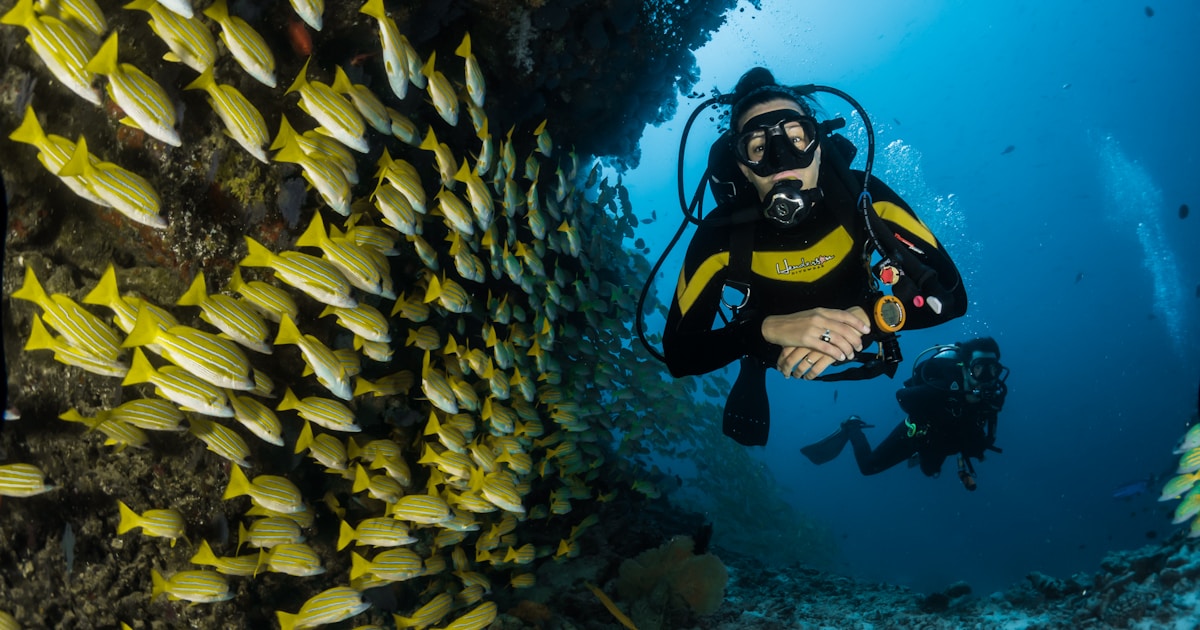
Building a pond in Las Vegas sounds counterintuitive. The Mojave Desert receives barely four inches of rain per year, summer temperatures routinely exceed 110 degrees Fahrenheit, and water conservation is a civic duty. Yet some of the most breathtaking water features in the country sit in southern Nevada backyards.
Why Desert Ponds Work
The secret lies in modern recirculating pond systems. Unlike a swimming pool that loses water through constant chemical treatment and splash-out, a well-designed ecosystem pond actually conserves water by creating a closed loop. Water circulates through biological filters, gravel beds, and aquatic plants that naturally clean and cool it.
The Unique Challenges
Aquascape Signature Series 400 Pond Skimmer Filter
Surface debris skimmer with rigid basket + filter mat, for ponds up to 400 sq ft, the contractor go-to.
See on Amazon →Extreme Heat Management
When ambient temperatures hit 115 degrees, pond water can climb above 85 degrees, stressful for most fish species. Successful desert pond builders address this with depth (minimum 3 feet for koi ponds), shade structures, and strategic placement near buildings or mature trees. Rock overhangs built into the pond edges give fish cool refuges during the hottest hours.
Evaporation Control
Evaporation is the number one concern for Las Vegas pond owners. Practical strategies include:
- Adding floating plants like water lettuce that shade the surface and reduce evaporation by up to 30 percent
- Using auto-fill valves connected to the home water supply to maintain consistent levels
- Building pondless waterfalls where water stays underground when not running
- Creating deeper designs with less surface area relative to volume

Water Quality in Hard Water
Las Vegas municipal water is notoriously hard, with pH levels often above 8.0 and high mineral content from Lake Mead. This actually benefits pond ecosystems, the alkalinity buffers against dangerous pH swings that plague ponds in soft water regions. However, calcium deposits on rocks and equipment require periodic cleaning.
Desert-Adapted Fish and Plants
Not every pond species thrives in desert conditions. The best fish for Las Vegas ponds include hardy koi varieties, mosquitofish (Gambusia), and certain sunfish species that tolerate warm water. For plants, consider desert-adapted marginals like horsetail reed, umbrella palm, and blue flag iris alongside standard water lilies that actually appreciate the intense sunlight.
The Build Process
Desert pond construction follows the same principles as any ecosystem pond but with critical modifications. The excavation often encounters caliche, a cement-like layer of calcium carbonate common in desert soils, which requires specialized equipment. Liner protection is paramount since sharp rocks can puncture even heavy-duty EPDM rubber.
A typical Las Vegas pond build involves:

- Site selection prioritizing afternoon shade
- Excavation through caliche (sometimes requiring a jackhammer)
- Underlayment and 45-mil EPDM liner installation
- Biological filter and skimmer placement
- Rock and gravel work using local stone for a natural desert aesthetic
- Planting with heat-tolerant aquatic species
- Cycling the system for two to four weeks before adding fish
Cost Considerations
Desert pond builds typically run 15 to 25 percent more than comparable projects in temperate climates due to soil conditions, specialized equipment needs, and additional features like auto-fill systems and shade structures. However, many Las Vegas homeowners find the investment worthwhile, a well-designed water feature can reduce the perceived temperature of a patio area by 10 degrees or more.
Maintaining a Desert Pond
Year-round maintenance in Las Vegas differs from four-season climates. There is no winter shutdown, ponds run continuously. The focus shifts to managing algae blooms during intense summer sun, maintaining water levels during heat waves, and periodic cleaning of mineral deposits from pumps and plumbing.
Weekly tasks include checking the auto-fill valve, skimming debris, and testing water parameters. Monthly tasks include cleaning the skimmer mat and checking the biological filter media. Desert ponds benefit from a full drain and clean every 18 to 24 months rather than the annual cleanout common in cooler climates.
Published by the BJL Aquascapes editorial team. Published October 2, 2025. Updated March 18, 2026.
Editorial responsibility: see Imprint.
Spotted an error or have something to add? corrections@bjlaquascapes.com
Dive Into Aquascaping
Weekly tips on planted tanks, fish care, and aquascape design — straight to your inbox.
🎁 Free bonus: Beginner's Aquascaping Starter Guide (PDF)
Explore more
All articles on BJL Aquascapes →